Jesus Wept SVG: A Designer’s Real-World Embroidery Review
First Impressions: Quiet Power, Not Flashy Devotion
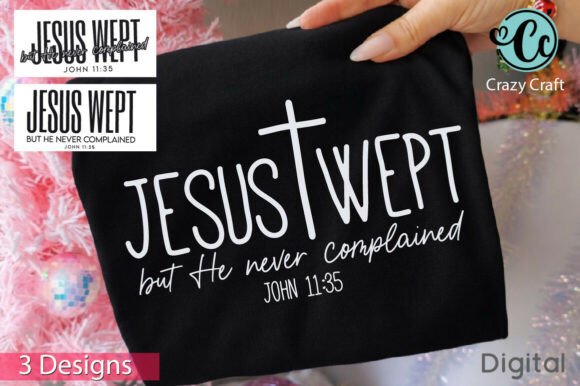
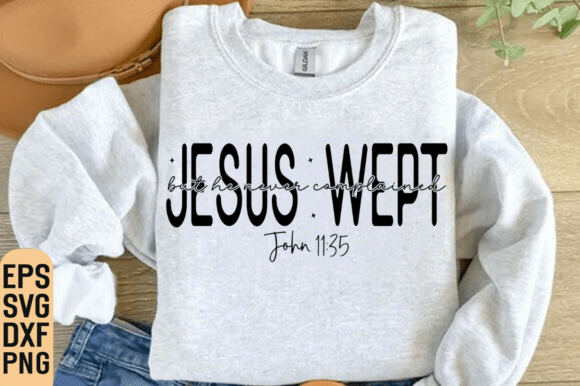
When I opened Jesus Wept SVG, Jesus SVG, Christian SVG, I wasn’t greeted with ornate borders or swirling script. Instead, it’s a clean, centered composition—simple serif or slightly weighted sans-serif lettering spelling “Jesus Wept,” often with subtle spacing and restrained weight. There’s no halo, no cross iconography tacked on, no decorative flourishes. That restraint is its strength. As a designer who’s stitched hundreds of faith-based pieces for boutique clients and Etsy sellers, I immediately sensed this isn’t meant for loud apparel—it’s built for reverence in everyday objects: a linen tea towel folded beside a kitchen sink, a soft cotton baby blanket, or the inside hem of a nurse’s scrub top.
Real Project Test: Embroidering a Linen Tote for a Church Gift Shop
Last month, I used Jesus Wept SVG, Jesus SVG, Christian SVG to embroider a set of heavyweight natural linen tote bags for a local church’s Lenten gift shop. The design sat cleanly at the lower left corner—about 3.5” wide—on a fabric with visible weave and zero stretch. It stitched out smoothly: no thread breaks, no puckering, and the letterforms held crisp edges even in satin-stitched caps. Customers responded not with surprise, but quiet recognition—many paused, touched the stitching, and said, “That’s exactly how I needed it said.” That reaction tells me something important: Jesus Wept SVG, Jesus SVG, Christian SVG works because it doesn’t shout doctrine—it invites reflection. And that makes it unusually versatile across T-Shirt Designs and beyond.
Where It Shines (and Where It Needs Care)
This design thrives in contexts where clarity, dignity, and subtlety matter:
- Custom apparel: Works beautifully on crewneck sweatshirts (especially heather grey or oatmeal), lightweight poplin shirts, and unbleached canvas aprons—fabrics that let the stitch definition breathe.
- Baby embroidery: Stitched in soft pastel thread on organic cotton onesies or burp cloths, it reads as tender—not theological. Avoid tight curves like hat brims; the letter spacing needs breathing room.
- Embroidered patch: When digitized well, it transfers cleanly to twill or felt backing. Ideal for sewing onto denim jackets or nursery wall hangings.
- Holiday embroidery & personalized gifts: Paired with minimalist packaging, it elevates Christmas ornaments, Easter hand towels, or baptismal pillow covers without feeling dated or overly literal.
But don’t assume it’s universally forgiving. Here’s where caution matters:
- Small hoop sizes: Below 4” wide, the lowercase “e” and “t” can lose legibility. If you’re stitching on a child’s cap or narrow wristband, test first—or simplify spacing manually.
- Textured or stretchy fabric: On terry cloth towels or jersey knit tees, stabilizer choice is non-negotiable. Use cutaway + tear-away combo, not just basic tear-away.
- Dark fabric: White or ecru thread looks elegant—but check contrast in natural light. Some versions of Jesus Wept SVG, Jesus SVG, Christian SVG use thin strokes that fade on black unless digitized with adequate underlay.
- Frequent washing: This isn’t a decorative accent—it’s a statement. Reinforce with a light zigzag or satin border if stitching on kitchen towels or baby items meant for daily use.
What It Does for Your Craft Business—Beyond the Stitch
As an Etsy seller and small shop product developer, I’ve watched how design choices affect buyer trust and perceived value. Jesus Wept SVG, Jesus SVG, Christian SVG lands differently than flashier Christian motifs. It signals thoughtfulness—not just faith, but empathy. That resonates with buyers seeking handmade products that feel intentional, not mass-produced. When paired with quality materials (think: organic cotton, heavyweight linen, or brushed poly-cotton blends), it lifts the entire perception of your brand. Customers don’t just buy a tote—they buy quiet conviction, stitched by hand.
It also performs well in digital spaces: the clean vector structure translates clearly into printable mockups, Instagram story previews, and Etsy listing banners. No pixelation, no awkward scaling. And because it avoids religious clichés, it fits seamlessly into broader branding—say, a wellness studio’s staff apparel or a counselor’s embroidered notebook cover.
Practical Embroidery Designer Notes (From My Hoop to Yours)
Before stitching Jesus Wept SVG, Jesus SVG, Christian SVG on a client project or batch run, here’s what I always do:
- Test on scrap fabric first—same weight, same color, same stabilizer stack you’ll use on the final piece.
- Check thread color contrast in both daylight and indoor lighting. What reads softly in studio light may vanish under fluorescent retail lighting.
- Review stitch density. Overly dense fill stitches on thin letters cause stiffness and fabric distortion—especially on baby items.
- Confirm hoop size compatibility. Some versions include optional smaller variants; others assume standard 5x7”. Don’t guess.
- Inspect small details: Are terminals of “J” and “W” cleanly tapered? Do serifs (if present) hold shape at 3” scale?
- Test in black-and-white mockups. If it loses impact without color, it may need subtle weight adjustment before digitizing.
- Compare light vs. dark fabric backgrounds—not just for visibility, but for emotional tone. Cream thread on navy reads solemn; white on charcoal reads modern.
- Use proper stabilizer. For structured items like patches or aprons, medium cutaway is safer than basic tear-away.
- Verify licensing. If you plan to sell finished products or resell the digital embroidery file, confirm commercial use rights upfront. Not all Jesus Wept SVG, Jesus SVG, Christian SVG files include that permission.
In short: Jesus Wept SVG, Jesus SVG, Christian SVG isn’t flashy—but it’s honest, adaptable, and deeply functional. It belongs in your design assets when you’re making things people hold, use, and return to—not just wear. Whether you’re embroidering a holiday gift, stocking a boutique shelf, or launching a new line of faith-rooted handmade product, this design earns its place not through volume, but through voice.