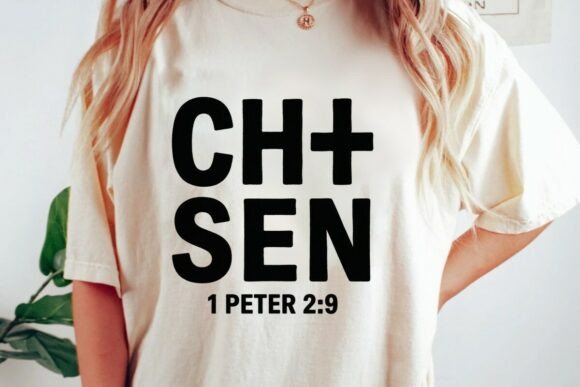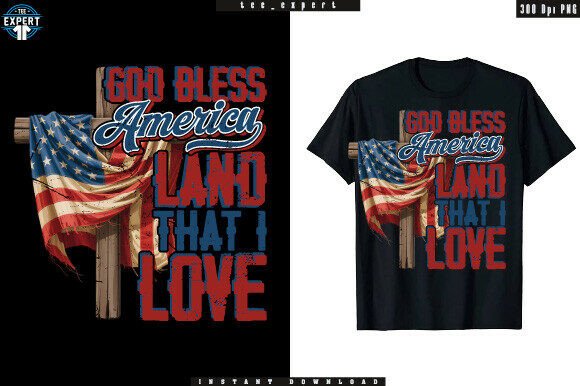
Christian Cross PNG, Retro Distressed — T-Shirt Designs
First Impression: Raw Authenticity with Intentional Edge
Opening the Christian Cross PNG, Retro Distressed file, I immediately felt its tactile honesty — not polished, not sterile, but deliberately weathered. The distressed texture reads as hand-printed, screen-pressed, or vintage-stamped. It evokes warmth, sincerity, and grounded faith — not religious rigidity, but lived conviction. For brand owners launching a faith-based apparel line, a seasonal devotion series, or a community-driven content campaign, this graphic design asset lands with emotional resonance. It suits handmade products, lifestyle blogs, small business branding, and editorial graphics far better than corporate presentations or luxury packaging.
A Real Campaign Fit: Launching “Grace & Grain” — A Faith-Fueled Lifestyle Brand
We recently used Christian Cross PNG, Retro Distressed in the visual rollout for *Grace & Grain*, a new small business branding project focused on slow living, spiritual wellness, and artisanal merch. Our goal? Create cohesive, scroll-stopping marketing visuals that felt human — not algorithmic. We embedded the cross into Instagram posts announcing limited-edition T-Shirt Designs, layered it subtly into Pinterest pins for printable devotion cards, and placed it as a corner accent on email banners promoting a digital product launch. In every case, it added depth without distraction — reinforcing brand identity while supporting the message, not competing with it.
Where It Strengthens Visual Communication
- Social media graphics: Stands out in crowded feeds thanks to high-contrast edges and organic texture — especially effective on Instagram Stories and Facebook ads where authenticity drives engagement.
- Packaging design & product labels: Works beautifully as a subtle foil stamp or embossed detail on kraft mailers or cotton garment tags — elevating perceived value without overdesigning.
- Canva templates & content bundles: Scales cleanly across sizes; integrates seamlessly into branded Canva templates for bloggers and online coaches building lead magnets or media kits.
- Digital ads & web design: Adds visual hierarchy when paired with clean sans serif typography — guiding the eye without overwhelming the CTA.
- Printable design & editorial layouts: Performs reliably in both CMYK and RGB, maintaining integrity in blog headers, downloadable devotion guides, and event flyers.
How It Supports Core Marketing Goals
The Christian Cross PNG, Retro Distressed isn’t just decorative — it’s functional storytelling. Its textured imperfection builds audience trust by signaling realness over perfection. When used consistently across touchpoints (from email banners to merchandise), it strengthens recognition and reinforces emotional connection. Because it’s delivered as a transparent PNG design, it adapts fluidly to diverse backgrounds — enabling stronger first impressions and more memorable campaign visuals. For creative entrepreneurs selling digital product or physical T-Shirt Designs, this asset bridges spiritual meaning and modern aesthetic — helping visual hierarchy serve both purpose and personality.
Best Places to Deploy This Graphic Design Asset
Use Christian Cross PNG, Retro Distressed where atmosphere matters most: hero graphics for faith-based landing pages, campaign headers for Lent or Easter promotions, branded templates for church communications teams, social media covers for ministry accounts, packaging accents for devotional journals, content bundles for Bible study groups, promotional banners for retreat sign-ups, editorial layouts in Christian publications, and decorative brand elements like watermark overlays or background motifs.
Where to Use It Thoughtfully — Not Automatically
This is not a one-size-fits-all SVG design. Avoid placing it in formal corporate branding contexts, dense information layouts (like comparison tables or legal disclaimers), or low-contrast backgrounds where texture blurs into noise. It loses impact at under 40px tall — so skip tiny mobile icons or app favicons. Steer clear in overly minimal brands relying on whitespace and restraint, or in text-heavy ads where the distress competes with readability. And never assume it fits your palette — always test Christian Cross PNG, Retro Distressed against your brand’s primary and secondary colors before finalizing mockups.
Practical Brand Designer Notes You’ll Actually Use
- Test how it renders in black-only and white-only usage — does the distress hold up in monochrome print?
- Drop it into real campaign mockups: t-shirt mockups, Instagram post previews, email client renderings, and Canva template exports.
- Preview on mobile screens — especially iOS and Android native browsers — to confirm clarity and spacing.
- Compare it against competitor visuals: Does it feel distinct yet aligned with your niche’s visual language?
- Pair it with font families: It harmonizes with sturdy sans serifs (like Montserrat), warm serifs (like Merriweather), and even restrained script fonts — but avoid pairing with overly ornate display fonts that clash tonally.
- Review spacing and balance: Does it breathe beside headlines? Does it anchor or overwhelm body copy?
- Verify commercial license: Ensure your use case — whether client work, paid digital ads, or scalable T-Shirt Designs — is covered. Never assume “free download” means commercial design rights.
Final Take: A Purpose-Built Creative Design for Meaningful Brands
Christian Cross PNG, Retro Distressed is more than clipart — it’s a considered creative design that serves intention over trend. For content creators, small business owners, and digital sellers building faith-aligned brands, it delivers professional branding weight without sacrificing soul. It works hardest when treated as a strategic element — not a decorative afterthought. Whether you’re curating a design bundle, refreshing social media graphics, or launching a new line of T-Shirt Designs, this PNG design earns its place by making your message feel human, memorable, and visually grounded. Just remember: great design assets don’t replace strategy — they amplify it.