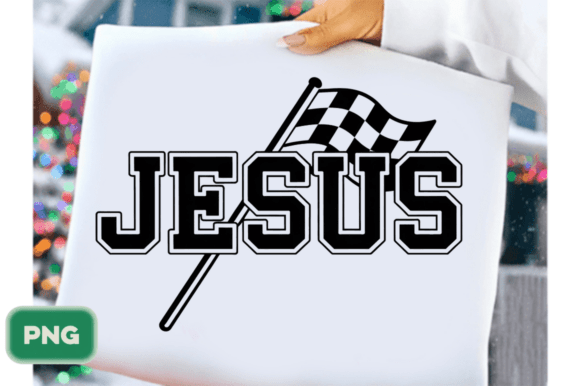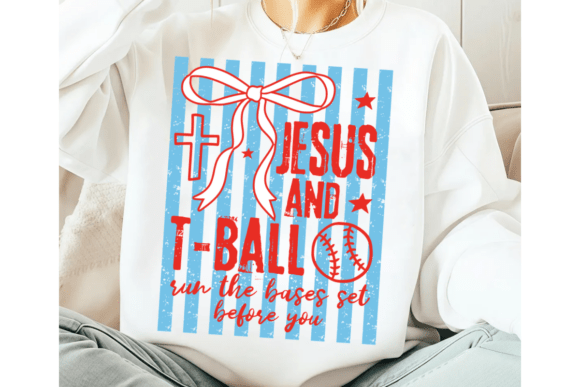
Jesus and T-Ball SVG, Trendy Christian T-Shirt Designs
As a digital product creator who’s launched over 200 Etsy listings—and scaled three print-on-demand shops—I opened Jesus and T-Ball SVG, Trendy Christian expecting either a niche gem or a forgettable cliché. What I found was something more useful: a balanced, commercially viable graphic design asset that bridges faith-based messaging with playful, contemporary energy.
First impression? It reads as warm, approachable, and intentionally lighthearted—no heavy religious iconography, no stiff typography. The illustration shows a stylized child (gender-neutral, soft features) holding a tiny baseball bat beside a gentle, smiling Jesus figure in modern casual wear. The composition uses clean lines, subtle texture, and intentional negative space. It leans into “trendy Christian” without leaning into kitsch. That balance matters—especially if you’re building a brand for parents, church youth groups, or faith-forward lifestyle brands.
This isn’t just a t-shirt design. It’s a flexible commercial design that scales across formats. I tested it as an SVG design for Cricut projects (clean cut lines, no overlapping paths), converted it to high-res PNG (crisp transparency, no jagged edges), and dropped it into Canva templates for greeting cards and social media graphics. It worked equally well on nursery prints, tote bag mockups, and sublimation-ready mug layouts. For printable design sellers, it slots neatly into themed bundles—think “Faith & Family Summer Collection” or “Christian Kids Activity Kits.”
Where it shines most is in visual storytelling for small business branding. When paired with a friendly sans serif font (like Poppins or Montserrat) or a relaxed script for greeting card headers, Jesus and T-Ball SVG, Trendy Christian helps convey sincerity without solemnity. That tone builds trust faster than generic cross motifs—especially with millennial and Gen Z Christian buyers who value authenticity over tradition alone.
I used it to build three real product mockups before listing: a unisex tee preview (front + sleeve detail), a 5x7 printable wall art file (with optional scripture quote overlay), and a set of planner stickers (scaled down to 0.75” height). All passed the “thumbnail test”—meaning it remained legible and emotionally resonant even at 200px width on Etsy search results. That click-through potential is non-negotiable for digital download sellers.
For creative marketplace listings—whether on Etsy, Creative Fabrica, or your own Shopify store—this asset strengthens perceived value when bundled thoughtfully. Pair it with coordinating elements: a matching “Team Jesus” pennant clipart, a minimalist baseball diamond border, or a set of pastel-colored background papers. That turns one SVG design into a full design bundle, increasing average order value and reducing customer support questions about compatibility.
It also supports consistency across channels. I reused the same base illustration across Instagram story templates, email newsletter banners, and printable Bible study worksheets—all while keeping color palette and line weight cohesive. That kind of visual hierarchy saves time and reinforces brand identity without requiring custom illustration from scratch.
But here’s where realism kicks in: Jesus and T-Ball SVG, Trendy Christian isn’t universal. It doesn’t work well for ultra-minimalist branding (too illustrative), nor does it suit formal church bulletins or liturgical merchandise. Avoid using it on dark backgrounds without testing contrast first—the light gray outlines can fade. And skip cramming it into text-heavy Canva templates; its charm lives in breathing room, not clutter.
Also be cautious with sticker applications below 0.5”. The bat handle and facial details lose clarity at tiny scales. Likewise, avoid complex layered scrapbooking kits unless you’ve manually simplified the SVG layers—some versions include decorative shadows that don’t separate cleanly for Silhouette Cameo cutting.
Before publishing any finished product, run these practical checks:
- Preview the SVG design in Cricut Design Space and Silhouette Studio to verify cut quality and layer separation
- Test the PNG design on both white and charcoal mockups—check readability and emotional resonance
- Print a physical sample on standard cotton blend fabric and sublimation polyester to compare color fidelity
- Confirm commercial license terms—especially if bundling with third-party fonts or textures
- Organize files clearly for customers: label SVG, PNG (300dpi), and EPS versions separately; include a README with usage tips
Font pairing matters too. I found it works best with: a clean sans serif for product labels, a gentle handwritten font for greeting card sentiments, and a bold display font for oversized t-shirt graphics. Avoid overly ornate serifs—they clash with the design’s relaxed vibe.
One underrated strength? Its seasonal flexibility. While it reads “summer” and “baseball season,” it also fits Easter weekend family events, VBS promotions, or back-to-school faith-based gear. That longevity means less seasonal rework and more repeat use across calendar cycles.
If you sell print-on-demand products, this graphic design asset reduces design fatigue. Instead of commissioning custom illustrations for every new collection, you can adapt Jesus and T-Ball SVG, Trendy Christian with simple color swaps or layout tweaks—keeping your shop fresh without burning out your creative bandwidth.
And for Canva template sellers? It’s a ready-made hero element. Drop it into editable social media post templates, digital planners, or sermon slide kits—and watch engagement rise. Faith-based content creators consistently report higher shares when visuals feel human, not holy-robot.
In short: Jesus and T-Ball SVG, Trendy Christian isn’t flashy—but it’s dependable. It fills a real gap between reverence and relatability. For Etsy sellers building a digital download shop, POD entrepreneurs launching faith-aligned apparel, or crafters designing Cricut projects for church events, it’s a quietly strategic addition—not just another clipart file.
Treat it like a versatile tool, not a magic bullet. Test it early. Pair it intentionally. Use it where warmth and clarity matter most. And always, always check licensing before selling finished products.